

Cardio Can Slow Cellular Aging


Telomeres offer a clear view of how lifestyle choices shape the aging process. These are protective caps on DNA that shorten as cells divide, leading to DNA damage and age-related diseases. Short telomeres are strongly associated with risk of cancer, heart disease, dementia and type 2 diabetes.
The encouraging news is that exercise activates telomere-lengthening enzymes that help to protect DNA. For fitness professionals, this means every workout you support influences how your members age. The physical activity programs you lead are not just a route to feeling better but also a route to aging better.
Learning from master athletes
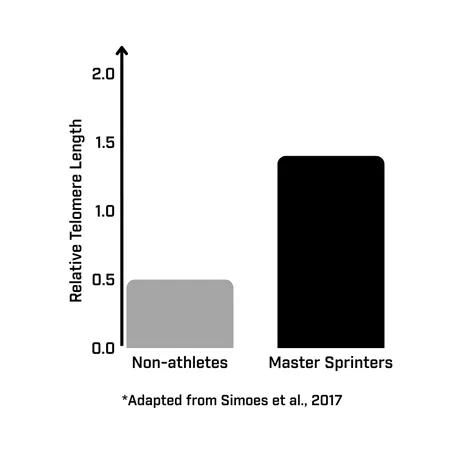
Research identified striking differences in telomere length favoring active individuals who prioritize high workout intensities. For example, telomeres in middle-aged elite sprinters are about 2.6 times longer than non-athletes,1 a difference that corresponds to several decades of biological aging. Study authors emphasized that “from biological and functional points of view, the longer the telomeres, the younger the individual.”1 This indicates that regular exercise may slower cellular aging, enhancing the health span of highly active individuals.
Cardio lengthens telomeres
Controlled trials show that this is not just an association but a reliable biological response to cardio workouts. In a landmark study,2 previously inactive adults were randomized to endurance training, high intensity interval training (HIIT), resistance training or an inactive control group.
After six months of 45-minute workouts, three times per week, both cardio groups achieved higher activity of telomere-lengthening enzymes, while resistance training and control groups did not. Cardio-trained individuals also lengthened their telomeres by about 3.5%, turning the clock back on biological age, whereas no telomere improvements were found in resistance and control groups. While resistance training has many benefits, the telomere-lengthening evidence remains stronger for cardio.
Resistance training delivers clear advantages for strength, metabolic health, and long-term physical function, yet current research shows that cardio produces more reliable gains in telomere length. Insights from a single workout support this notion, as endurance or HIIT workouts rapidly activate the telomere-lengthening enzymes, whereas resistance training workouts do not.2
Slower aging, even in young people
Compared to an inactive control group, 20-year-old men who completed three HIIT workouts for eight weeks achieved a “beneficial [lengthening] effect on telomere length.”3 Importantly, these changes occurred without major shifts in body composition, reinforcing the idea that mechanical and metabolic stress from exercise triggers telomere maintenance pathways.
Highly stressed adults also benefit
Compared to adults with low or medium-stress occupations, caregivers show accelerated aging with significant telomere shortening,4,5 yet this population can still lengthen telomeres through consistent cardio training.6 This shows that biological aging is not fixed. Even individuals under high stress gain measurable cellular benefits when they stay active.
How we move shapes how we age
For fitness professionals, telomere research provides a rare and motivating insight. Engaging in regular exercise changes the aging process, extending both telomeres and healthspan. These benefits begin to accrue on day one, as a single workout signals the body to protect its genetic material. This is one of the clearest examples that how people move shapes how they age. Your role in helping others build sustainable exercise habits has deep biological consequences that help members live happier, healthier lives.

Karlie Intlekofer, PhD, CNC, CPT
References
- Simoes et al. Longer telomere length in elite master sprinters. Int J Sports Med 2017; 38(14): 1111-16.
- Werner et al. Differential effects of endurance, interval, and resistance training on telomerase activity and telomere length in a randomized, controlled study. Eur Heart J 2019; 40(1): 34-46.
- Noorimofrad & Ebrahim. The effect of high intensity interval training on telomere length and telomerase activity in non-athlete young men. J Bas Res Med Sci 2018; 5(2): 1-7.
- Epel et al. Accelerated telomere shortening in response to life stress. PNAS 2004; 101: 17312-15.
- Puterman et al. Determinants of telomere attrition over 1 year in healthy older women: Stress and health behaviors matter. Mol Psychiatry 2015; 20: 529-35.
- Puterman et al. Aerobic exercise lengthens telomeres and reduces stress in family caregivers: A randomized controlled trial - Curt Richter Award Paper 2018. Psychoneuroendocrinology 2018; 98: 245-52.


